wetsanding advice needed

zckid

Known Member
Senior Member
Joined
Feb 28, 2012
Messages
235
Points
543
Location
Mauritius
Hello everybody.

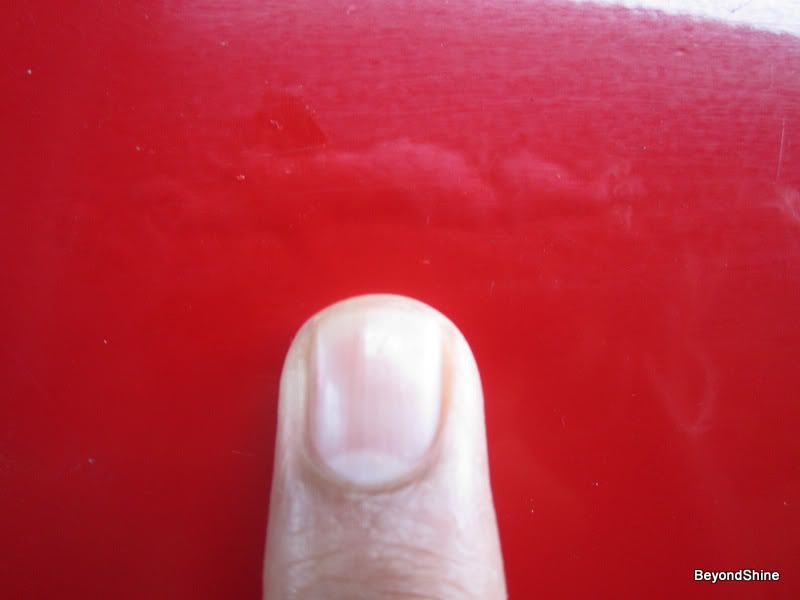
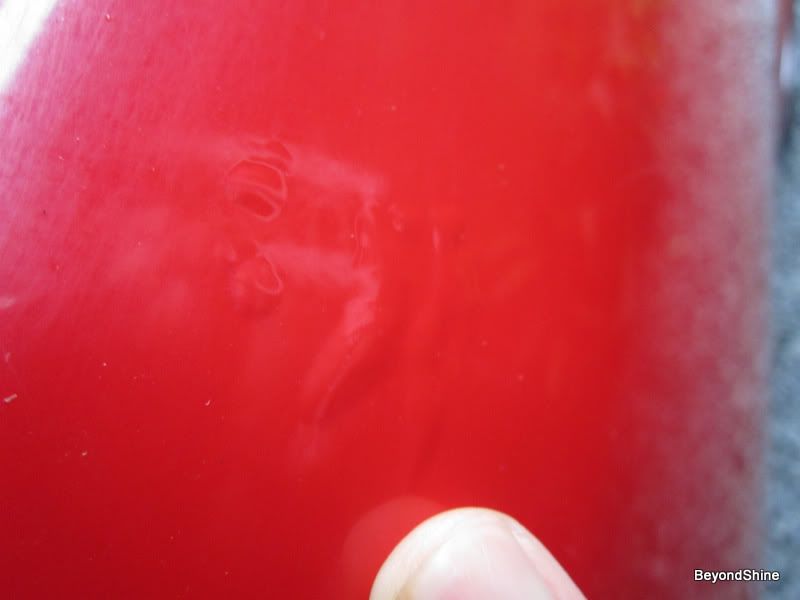
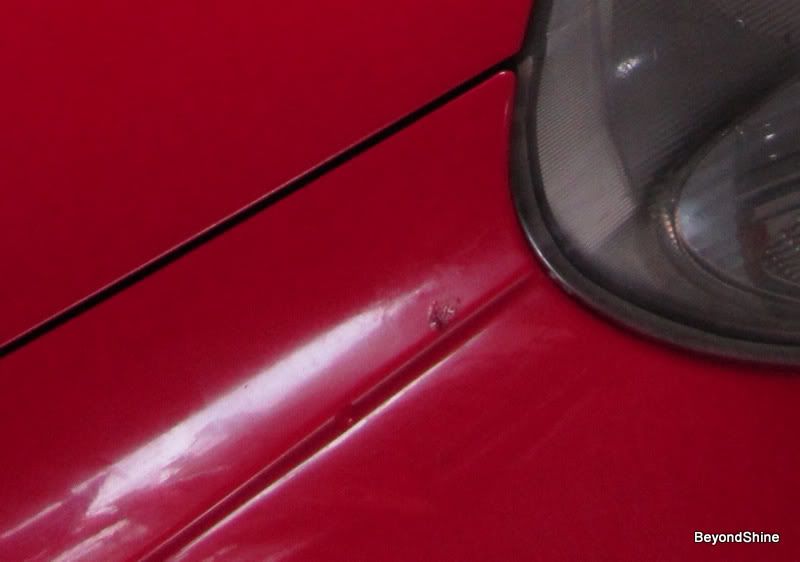
I'd like to have some advice regarding wetsanding uneven paint. Worse that orange peel. Some sort of paint clotting.

Don't have a ptg. Here are some pics.
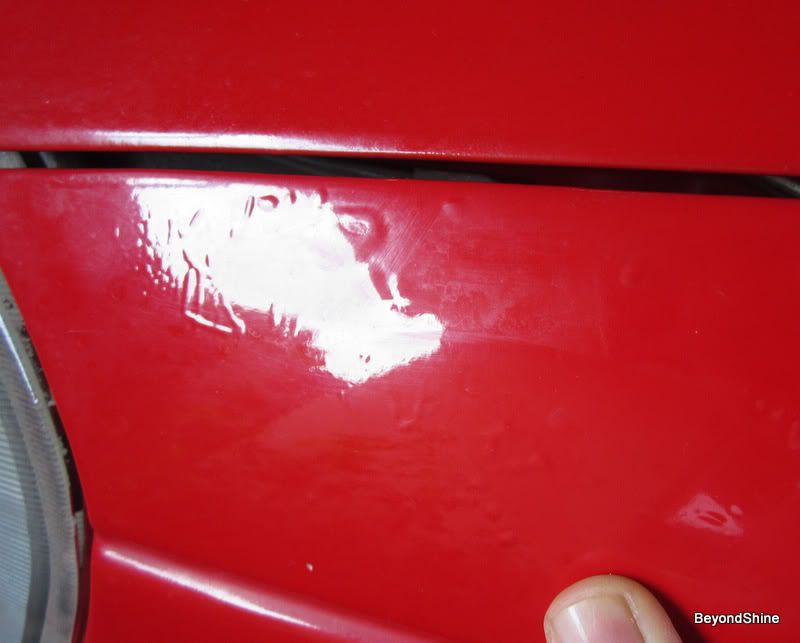
IMG_7269.jpg


IMG_7262.jpg


IMG_7261.jpg


IMG_7257b.jpg


This is on a Toyota Vitz.

My buddy has a Honda Civic with these types of defects on a panel that had been resprayed some 3 years back. He's got quite some orange peel too. He wants to remove them and get a flat surface on his car.


Do I wetsand the paint bulges, (don't know the exact term for those defects.)?

or any other way to flatten the paint? I'm afraid that wetsanding will may just strip the clear and paint on these protuberant areas? :confused:


Thanks for your advice :wavey:

Zaid
 
Before wetsanding the defects, you have to determine if the defects are on the surface of the paint (uneven spray, overspray, drip and etc.) or if the defect is below the surface.

By surface, I mean the clearcoat.

If the defect is below the surface, then wetsanding would not help. Seems to me based on the photos, it is some bad prep work before the spray. Either the putty was not given enough time to cure or they never even sand it down flat before spraying. Many possibilities.
 
Here's what I got from our friendly neighbourhood 'the net'.....:biggrin:

http://farm8.staticflickr.com/7203/6870033304_968bbe736c_m.jpg

If it's anything like the above, then here's what DuPont says:

Edge Mapping, Shrinkage

Also known as: featheredge splitting

Origin and Potential Causes:

-"Piling on" the undercoat in heavy and wet coats. Solvent is trapped in undercoat layers which have not had sufficient time to set up.
- Material not uniformly mixed. Because of the high pigment content of primer-surfacers, it is possible for settling to occur after it has been thinned.
- Improper thinner/reducer selection.
- Improper surface cleaning. When not properly cleaned, primer-surfacer coats may crawl or draw away from the edge because of poor wetting and adhesion.
- Improper drying. Fanning with a spray gun after the primer-surfacer is applied will result in drying the surface before solvent or air from the lower layers is released.
- Finishing grit of sandpaper too coarse.

Prevention Techniques:

- Apply properly reduced primer-surfacer in thin to medium coats following recommended flash off time between coats.
- Stir all pigmented undercoats and topcoats thoroughly.
- Select only thinners/reducers that are recommended for existing shop conditions.
- Thoroughly clean areas to be painted before sanding.
- Use proper sandpaper grit before applying polyesters or undercoats.
- Follow product recommendations per its Technical Data Sheet.


Remedy

- Thoroughly dry affected area.
- Sand, isolate if necessary, and refinish.


Looks like the one on your pictures is quite severe. Even the sanding marks are visible. I hope those are on the clear coat. If it's under then there's no way sanding the surface would do any good.

I agree with DarkAccoon, check whether it's on the clear coat or under it. Some simple feel with your fingers would do. You can use the cigarette or plastic wrapper between your fingers and the paint to get more 'feel'. But, personally and based on the pics you posted, I feel that it's a 'gone case' and would require sanding all those back to the primer and re-paint. You might want to have a go with sanding if the owner decide to re-paint. I'd like to know if it can be done or not.....
 

Similar threads

Posts refresh every 5 minutes


Search

Online now

Enjoying Zerotohundred?

Log-in for an ad-less experience